Winter probably doesn’t get much love from landscapers.
The days are shorter, the mornings are colder, and this year, it feels like the rain has barely stopped. Across much of the country, gardens have remained saturated for weeks at a time. Lawns are muddy, access routes are slippery, and some sites feel like they need a week of sunshine before you can even think about getting machinery onto them.
It’s not always the easiest season to work in.
But despite the challenges, winter remains one of the most valuable times of year for landscapers, contractors, and homeowners alike.
The reason is simple: winter shows you what is really happening in a garden.
When everything is dry and growing strongly through spring and summer, it’s easy to overlook underlying issues. Once the rain arrives, however, the landscape starts telling the truth. Water sits where it shouldn’t. Lawn edges begin to wash away. Mulch ends up on pathways. Clay soils stay wet for weeks. Garden beds become waterlogged, and suddenly those drainage concerns that seemed minor during summer become impossible to ignore.
If you’ve spent any time on site this winter, you’ve probably seen the same problems appearing again and again. Wheelbarrows sinking into soft ground. Mud being tracked across newly completed areas. Customers wondering why one corner of their garden always seems to turn into a swamp after every decent rainfall event.
While these situations can be frustrating, they’re also incredibly useful.
Winter acts as a real-world stress test for the landscape. It highlights weak points, identifies drainage issues, and provides valuable insight into how a garden performs under challenging conditions. For landscapers, that’s information you simply can’t get from a set of plans or a sunny day inspection.
Interestingly, many of the enquiries we receive during winter aren’t about plants at all. They’re about fixing problems.
Customers aren’t calling because their roses aren’t flowering. They’re calling because the lawn has become a mud pit, the garden bed is spilling onto the pathway, or water is pooling where it shouldn’t. Winter has a way of shifting the focus from decoration to functionality.
And that’s not necessarily a bad thing.
Some of the most valuable improvements you can make to a landscape aren’t the most obvious ones. Better drainage, improved soil structure, clearly defined garden beds, and thoughtful layout decisions often have a greater impact on the long-term success of a garden than any individual plant selection.
This is also where landscape structure comes into its own.
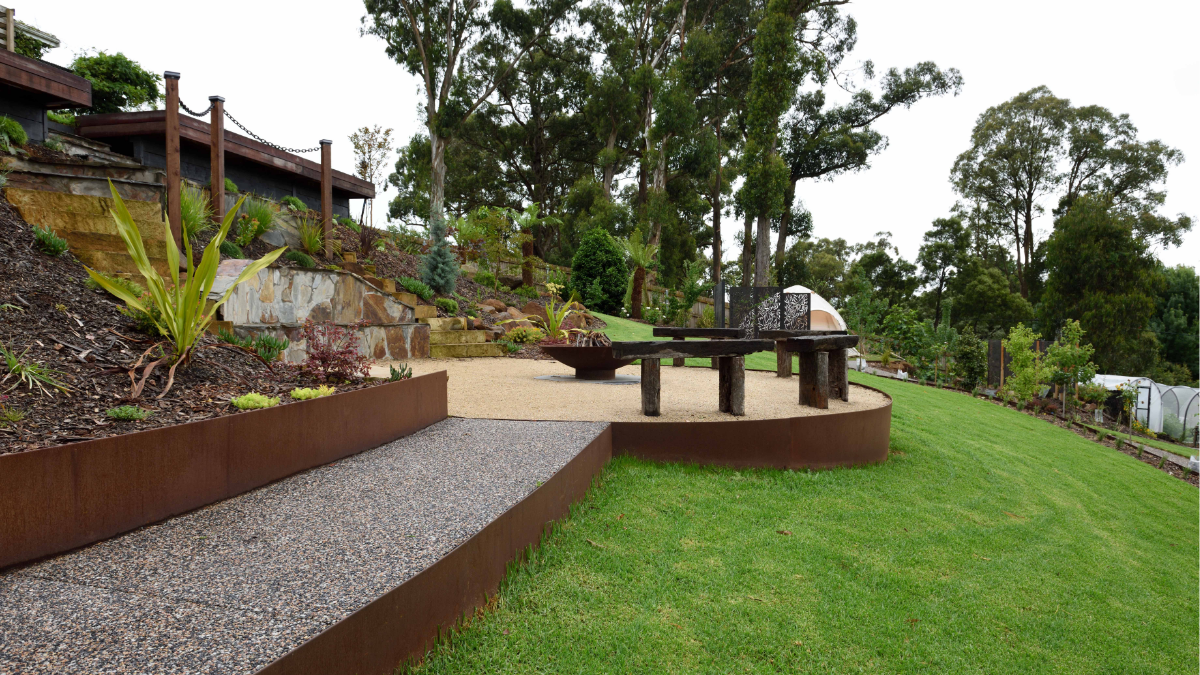
Without masses of flowers and seasonal growth demanding attention, the bones of the garden become far more noticeable. Lines, curves, transitions, levels, and defined spaces all become more important. A well-structured landscape continues to look intentional and functional, even during the quieter months of the year.
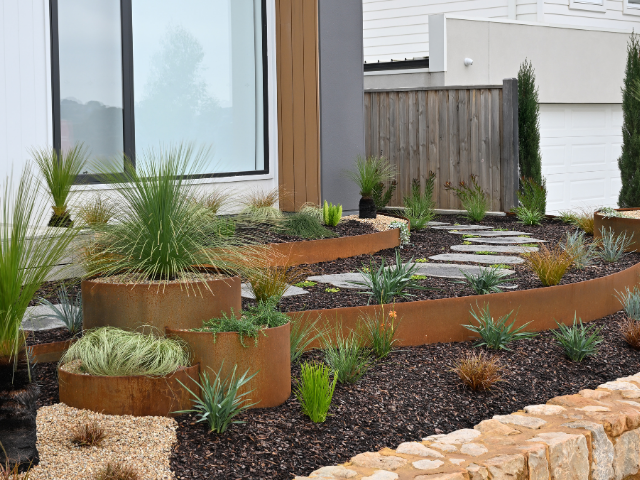
At ShapeScaper, winter is often when we see landscapers focusing on these structural elements. Steel garden edging, garden rings, and raised planters are frequently installed during the colder months, allowing contractors to establish the framework of a garden before the spring rush begins.
It’s practical timing.
Plant growth has slowed, access to garden beds is often easier, and the infrastructure can be installed well before seasonal planting begins. By spring, the garden is ready to grow rather than still being under construction.
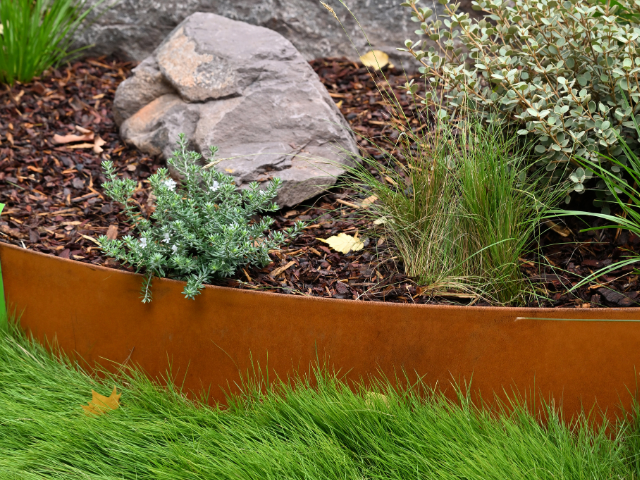
Steel edging, in particular, plays an important role during wet conditions. Beyond creating clean, modern lines, it helps define spaces, separate lawn from garden beds, and keep mulch where it belongs. Anyone who has spent time cleaning washed-out mulch from pathways after heavy rain will appreciate the value of a properly defined edge.
Raised planters and garden rings can also offer practical advantages during wetter periods. In areas prone to poor drainage or heavy soils, elevating the growing zone helps create a healthier environment for plant roots while providing greater control over soil quality and growing conditions.
Winter is also an ideal time to prepare for what’s coming next.
While spring often receives the attention, it’s usually winter that determines how successful that spring will be. Soil can be improved, compost incorporated, weeds controlled, and planting areas prepared long before the growing season begins. It’s often easier and more efficient to complete these tasks now rather than trying to squeeze them into an already busy spring schedule.
For contractors, this can also mean using winter to complete projects that are harder to undertake later in the year. Installing edging, reshaping garden beds, constructing raised planters, or making drainage improvements now allows planting and finishing touches to happen much more smoothly once conditions improve.
There’s also something satisfying about building during winter.
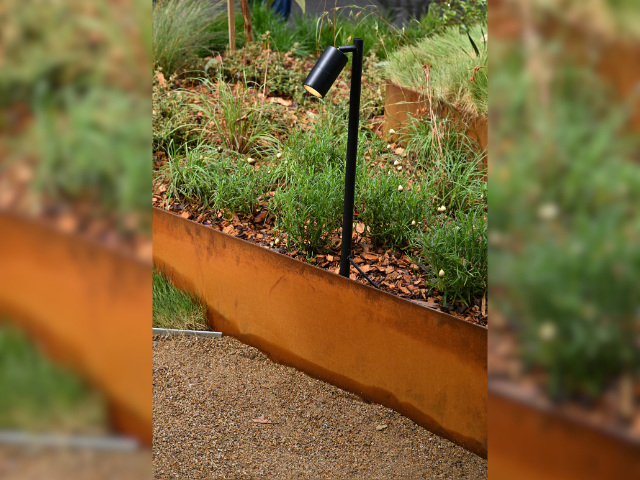
While the garden itself may appear dormant, progress is still happening. The structure is being established. Problem areas are being addressed. Spaces are being defined. It might not be as visually rewarding as seeing a garden burst into flower, but it’s often the work that has the greatest long-term impact.
The reality is that the best gardens rarely happen by accident.
They’re the result of good planning, quality materials, thoughtful design, and attention to the details that many people never see. Winter provides the opportunity to focus on those details without the pressure of rapid growth or seasonal deadlines.
Spring may be when gardens receive the attention, but winter is when many of the important decisions are made. The drainage falls are set. The garden beds are shaped, the edging is installed, and the framework is established. By the time the first warm days arrive, the hard work is already done.
After all, anyone can appreciate a garden when it’s at its peak. Winter, however, is when you discover how well it was built.
Visit Shapescaper for more information!