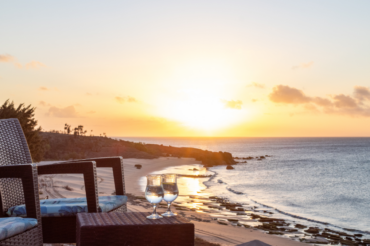
“Ideal conditions for cruising around this coastline” enthuses marine biologist and guest lecturer Mike Sudgen. “A gentle swell”, the master of the ship, Nathan Clark calls it. Almost all of the passengers agree. The surface is oily, there is no wind, the swell is around two metres, maybe even less. I however, disagree. The mixed signals sent to the brain by my eyes and inner ears make me queasy. The assessment of conditions at sea are all a matter of perspective. My perspective is that of a lousy sailor. But being on deck in the fresh air helps. There are distractions. Dolphins zero in and play in the bow wave of the ship. And there are the cloudscapes, a visual drama in panoramic format and Technicolor. It’s a sky only the Southern Ocean can produce.
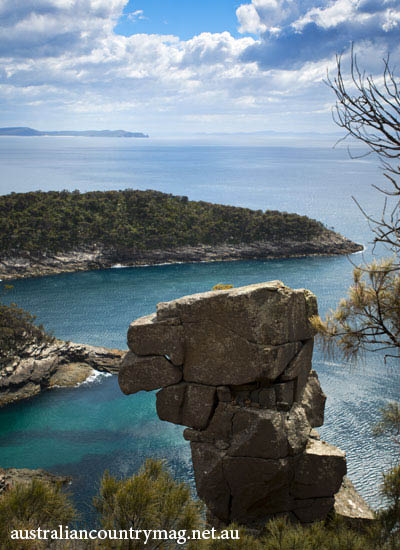
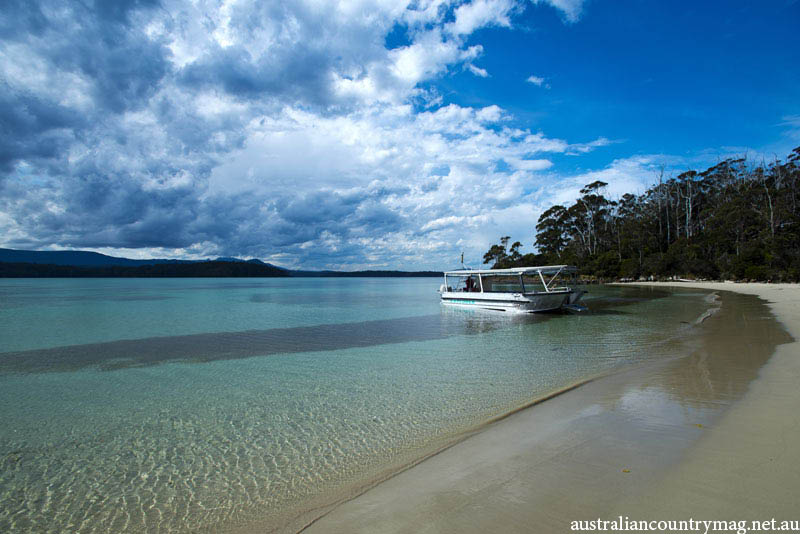
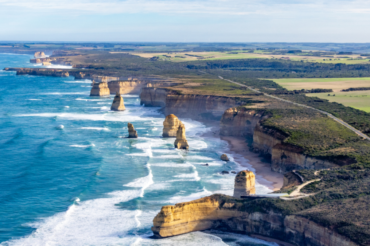
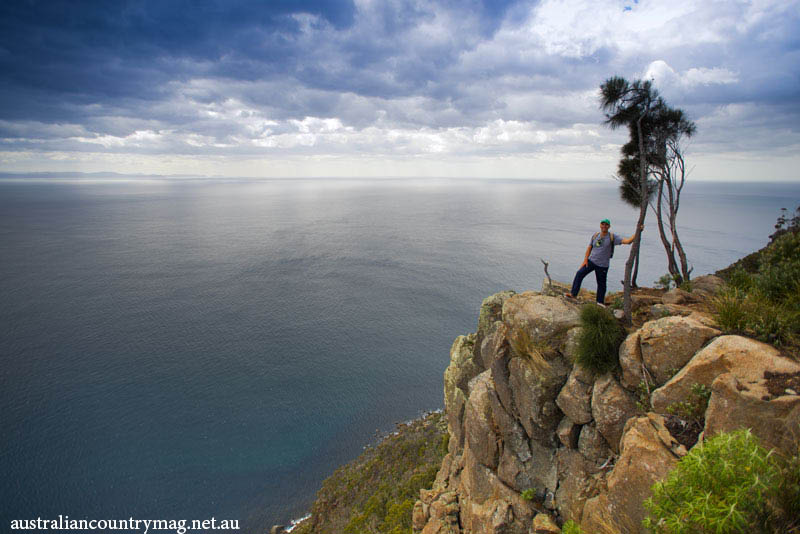
We are cruising along the exposed and remote south coast of Tasmania, past the promontories of the South East Cape and the South Cape, towards the islands of the Maatsuyker Group, bastions of rock in an ocean known for its fury and foul weather. It is a photographer’s dream and the last image I take is that of De Witt Island in the fading light, dwarfed by dramatic, dark and heavy clouds, their fringes glowing in pale orange. Past the islands the rolling of the ship intensifies. I skip dinner and go straight to bed. Lying flat helps.
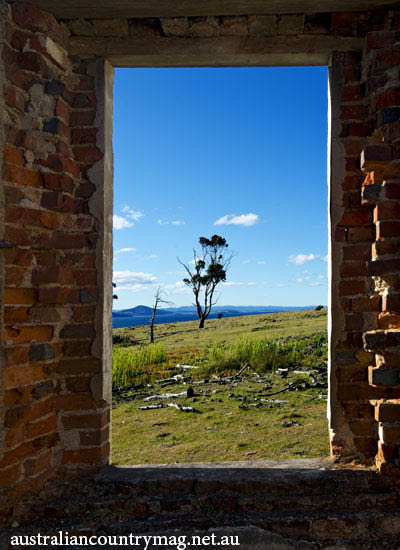
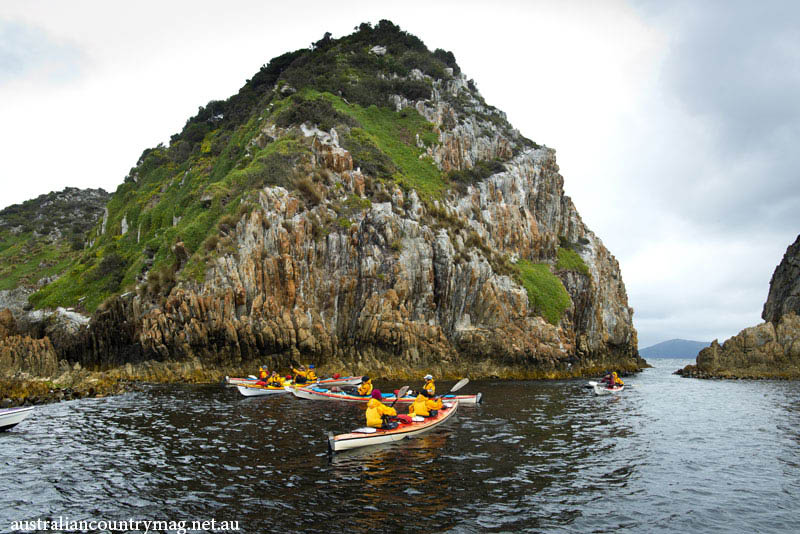
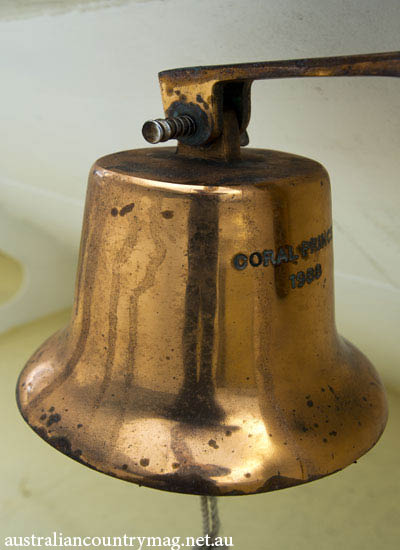
The next morning I wake up where no ship of this size has gone before. During the night the Coral Expeditions I entered sheltered Port Davey and dropped anchor in Bramble Cove. We are in the remote wilderness of the World Heritage-listed Southwest National Park. After breakfast we set off to shore in the Explorer I, an aluminium tender, to where a tannin-stained creek runs over a small beach into the sea. Above looms Mt Millner. Low grey clouds swallow colours on this cool morning, creating a bleak landscape. But then, this is a matter of perspective too: forbidding wasteland or glorious wilderness? For Alex Dudley, discovery ranger on board the ship it’s a magnificent area. “There are very good reasons”, he says, “why it is on the World Heritage list in terms of its wilderness value, the variety of the plants and the diversity of landforms.” Alex’s job is to interpret the natural and cultural values of Tasmania on excursions and to give lectures on board. Decked out with a red rain jacket and a green cap, both sporting the logo of Tasmania’s Parks & Wildlife Service, the naturalist with a strong bias for reptiles and a knack for poetry, is in his element.
The complete story was originally published in the March/ April 2016 issue of Australian Country. Subscribe to the magazine here.
Click here for more escape stories.
Words and photography Don Fuchs